
Center of Cardiovascular Surgery and Interventional Cardiology
at the N.I. Pirogov Clinic of High Medical Technologies of St. Petersburg State University
Center of Cardiovascular Surgery and Interventional Cardiology
at the N.I. Pirogov Clinic of High Medical Technologies of St. Petersburg State University
Cardiac & Vascular Surgery · Saint Petersburg
Surgical and endovascular treatment of aortic aneurysm — ascending aorta, arch, thoracic and abdominal aorta
Free of charge
under CHI and federal quotas
The aorta is the main vessel carrying blood from the heart to all organs. With an aneurysm, its wall locally dilates and forms a "sac" that stretches over time and risks rupturing.
Aortic prosthesis is surgery that replaces the dilated segment of the vessel with a synthetic graft to prevent rupture. The Cardiac Surgery Center at Pirogov Clinic, Saint Petersburg State University, replaces every part of the aorta: ascending, arch, thoracic and abdominal.
Learn more about aortic aneurysm5 cm
critical diameter at which rupture risk rises
+6 mm in 6 months
growth rate that indicates surgery
2 methods
open surgery and endovascular (stent-graft)
4 segments of the aorta
ascending, arch, thoracic, abdominal
Aortic aneurysm 5 cm in diameter or larger
Aneurysm growth of 6 mm or more over 6 months
Symptoms: pain, pulsation, compression of nearby organs
Signs of aortic dissection
Ascending aorta aneurysm with aortic valve involvement
Open Prosthesis
A universal method: the dilated segment is replaced with a synthetic graft, suitable for any part and type of lesion. For an ascending aorta aneurysm with valve involvement, both the aorta and the aortic valve are replaced. Requires cardiopulmonary bypass, sometimes complete circulatory arrest.
Endovascular Method (Stent-Graft, EVAR)
Through small punctures in the thigh, a stent-graft (a frame covered with a sealed fabric) is placed inside the aneurysm. Minimally invasive, with a short recovery period. Suitability is determined by the surgeon from CT data.
Diagnostics
Contrast-enhanced CT aortography determines the location, diameter and extent of the aneurysm.
Choosing the Method
A cardiovascular surgeon chooses an open or endovascular approach.
Surgery
The affected segment is replaced with a graft, or a stent-graft is placed.
Observation
In-hospital monitoring by specialists, followed by recommendations.
After endovascular repair (EVAR) — usually 1–3 days in hospital and return to daily activity within 1–2 weeks
After open surgery, recovery takes longer and is determined individually
Timely surgery prevents aortic rupture — a life-threatening condition
All procedures are performed regularly by experienced cardiac surgeons
Computed Tomography
CT aortography — the main diagnostic method before surgery
Learn more about computed tomographyHeart Valve Replacement
Minimally invasive valve replacement for combined aortic and valve disease
Learn more about valve replacementAortic prosthesis at Pirogov Clinic is performed free of charge under Compulsory Health Insurance (CHI) and federal high-tech medical care quotas — when indications and a referral are in place. Our administrators will help you arrange the quota and prepare the documents.
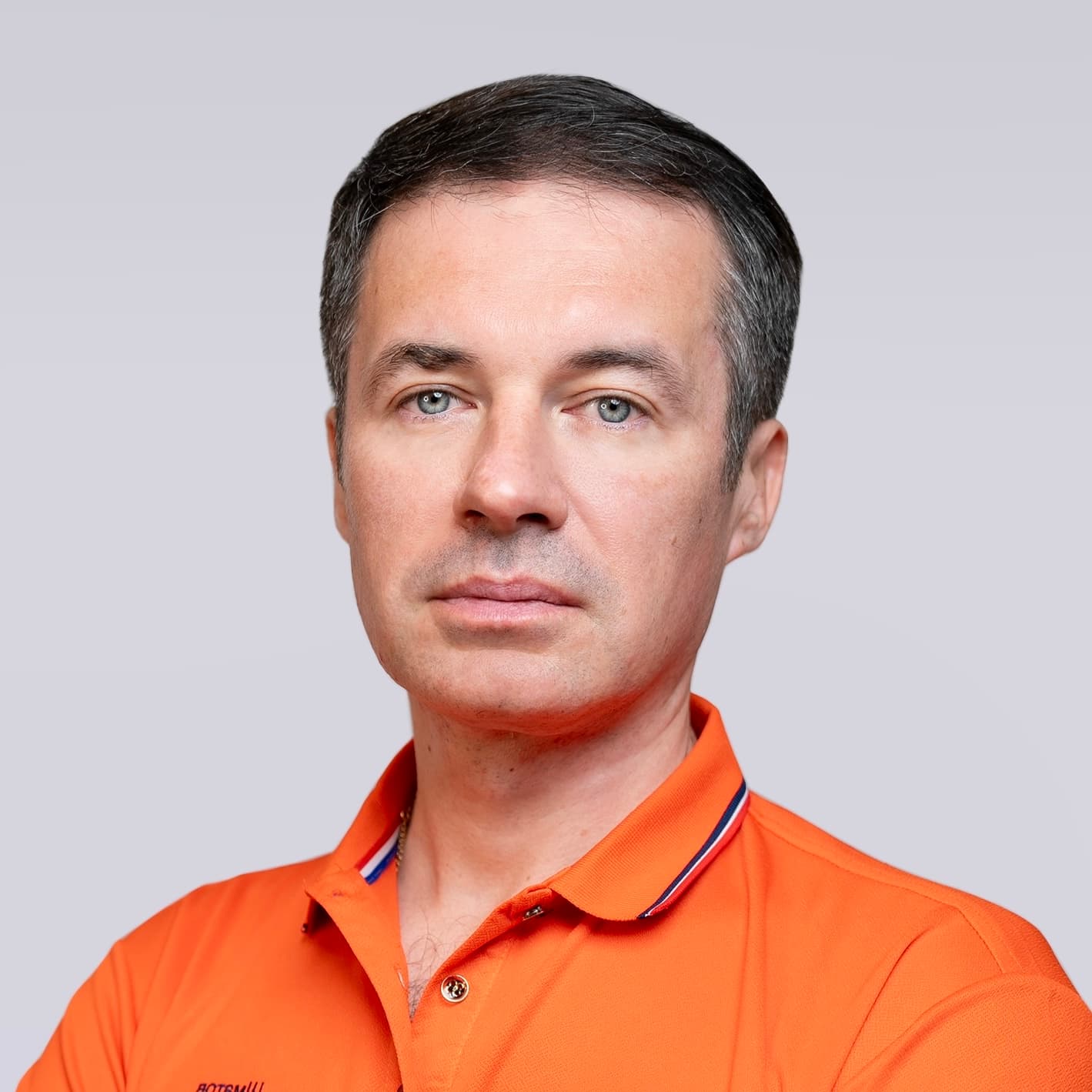
Dmitriy Shmatov
Professor, Deputy Director for Medical Affairs (Cardiac Surgery), Head of the Department of Cardiovascular Surgery, St. Petersburg State University Medical Institute
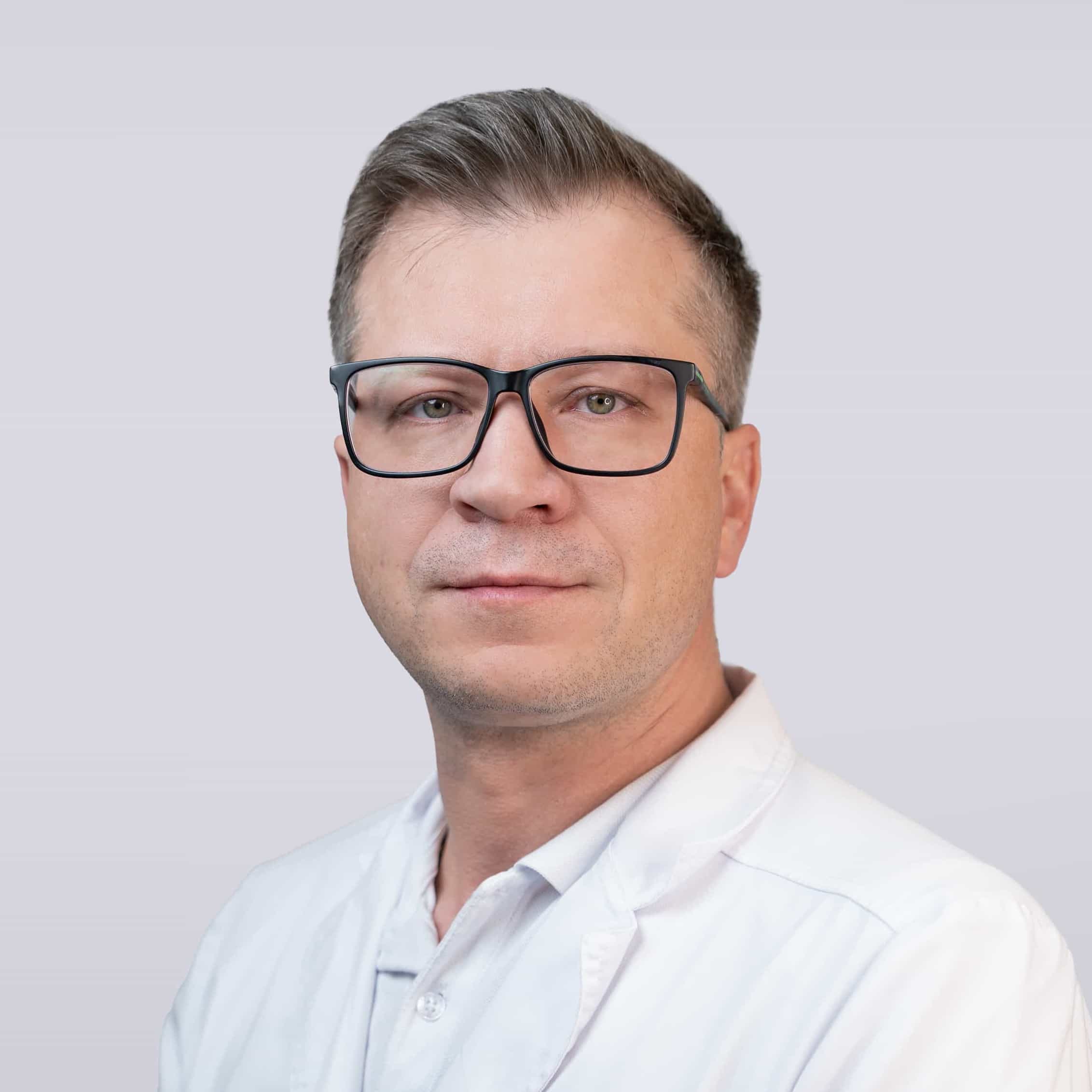
Maksim Kamenskih
Head of the Cardiac Surgery Department with an office for X-ray endovascular diagnostics and treatment
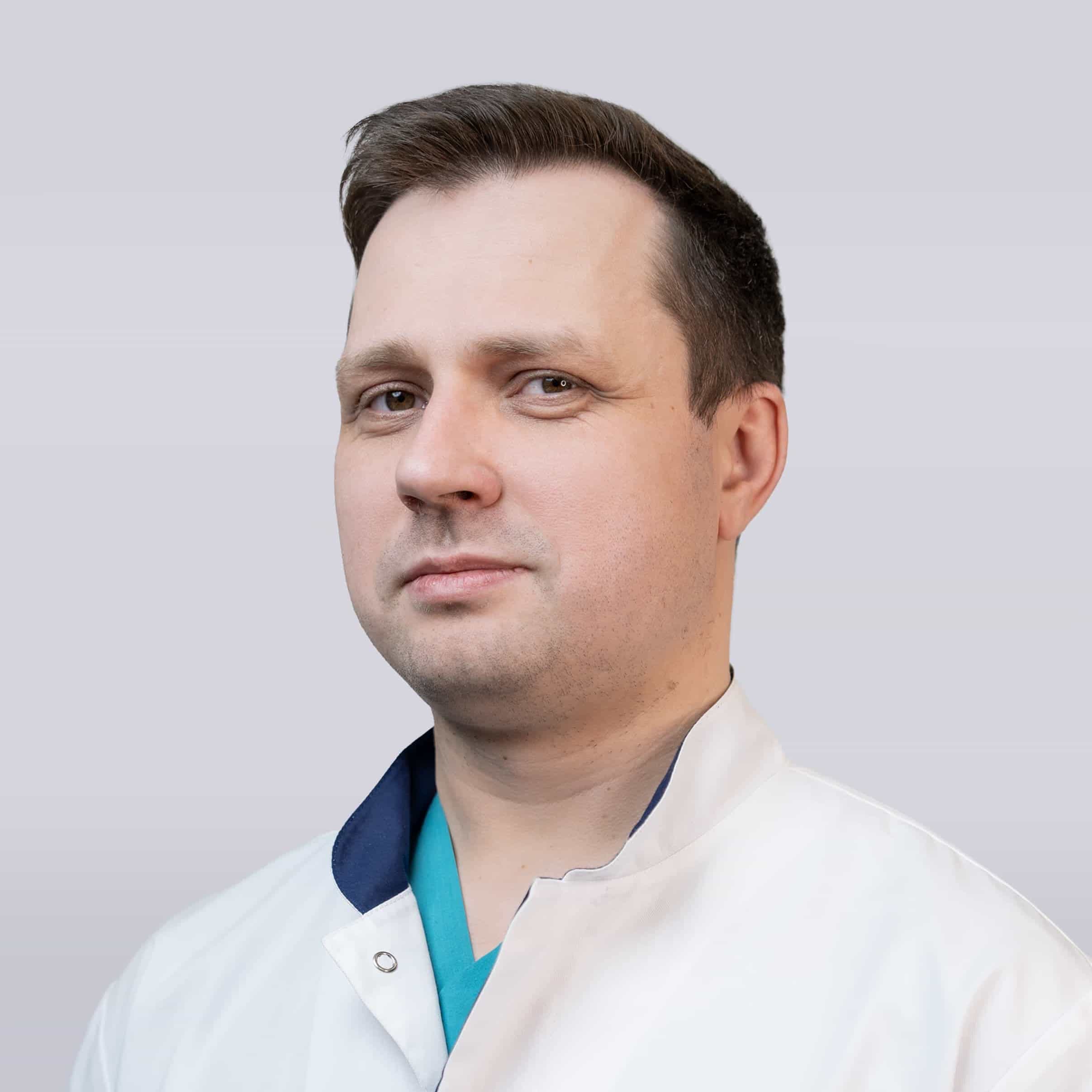
Alexey Filippov
Cardiovascular Surgeon
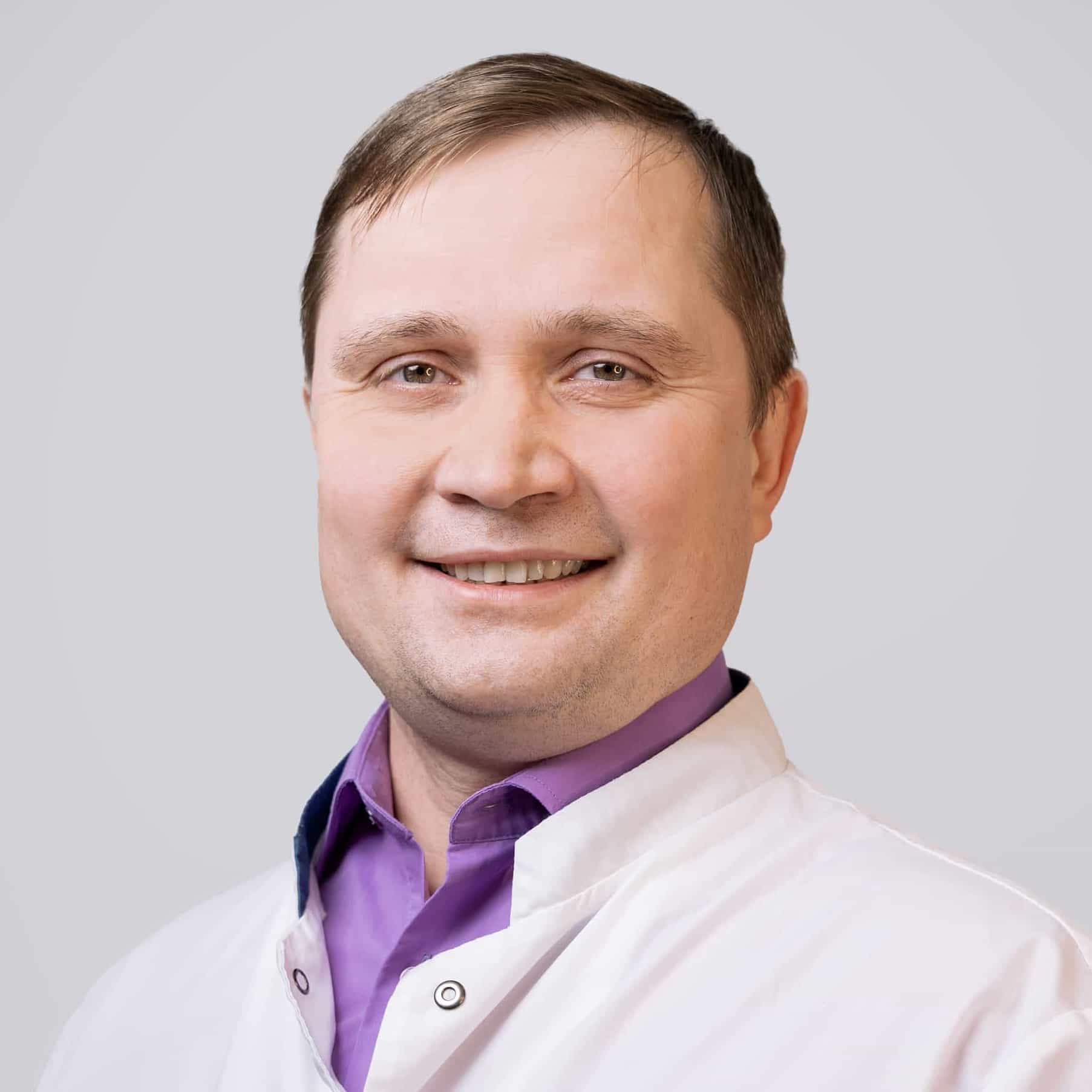
Vasily Balakhonov
Cardiovascular Surgeon
It is a surgery in which the segment of the aorta widened by an aneurysm is replaced with a synthetic graft or reinforced from within with a stent-graft. The goal is to prevent further stretching and rupture of the vessel.
An aneurysm is a local dilation of the aortic wall forming a "sac." The danger is that the wall thins and may rupture, and aortic rupture is a life-threatening condition. An aneurysm can go without symptoms for a long time.
A diameter of 5 cm or more is considered critical, as is growth of 6 mm or more over 6 months. The exact indications are determined by the surgeon based on CT aortography data.
There are two main methods: open surgery (replacing the segment of the aorta with a synthetic graft, universal for any part) and the endovascular method — placing a stent-graft through punctures in the thigh, without a large incision. The method is chosen by the cardiovascular surgeon.
With the endovascular method (EVAR), only small punctures are made in the thigh and a stent-graft is placed inside the aneurysm — this is minimally invasive with a short recovery. Open surgery is more universal and can correct any lesion, but requires cardiopulmonary bypass and a longer rehabilitation.
The ascending aorta, the arch, and the thoracic and abdominal aorta. For an ascending aorta aneurysm with aortic valve involvement, the aorta is replaced together with the valve.
An aneurysm often causes no symptoms for a long time. As it grows, pain, a sense of pulsation, and disturbances from compression of nearby organs may appear. Sudden severe pain may indicate dissection or rupture — a reason for immediate medical help.
The main method is multislice CT aortography with intravenous contrast. It provides complete information about the location, diameter and extent of the aneurysm and its relationship to nearby organs, which determines the surgical approach.
After endovascular repair (EVAR), patients usually spend 1–3 days in hospital and return to daily activity within 1–2 weeks. After open surgery, recovery takes longer and is determined individually.
Aortic prosthesis is a well-established procedure performed by experienced surgeons. As with any surgery, there are risks (for the endovascular method, for example, leaks around the stent-graft are possible), which are controlled by monitoring and minimized by the specialist team.
At Pirogov Clinic in Saint Petersburg, aortic prosthesis is performed free of charge under Compulsory Health Insurance (CHI) and federal high-tech medical care quotas, when indications and a referral are in place.
A referral and confirmed indications are required. Book a consultation — specialists will assess your case and help arrange the quota and prepare the necessary documents.
Once it reaches a critical size, an aneurysm can rupture, and aortic rupture is often fatal. Timely prosthesis eliminates this risk and restores normal blood flow.
Before the procedure, a full diagnostic workup is performed, primarily CT aortography, along with tests to assess overall condition. The treating physician draws up an individual preparation plan at the consultation.
Yes. After surgery, regular follow-up with a specialist and check-up imaging are important, along with following the doctor's recommendations — this allows the condition of the graft and the aorta to be assessed in time.
Book an online talk or get in touch with our administrators. We'll help you choose the right specialist, answer any organizational questions, and explain how to prepare for the consultation.